Osaka – Sumiyoshi Taisha

If you’re in Osaka, you kind of just have to. Osaka’s most famous shrine, seat of all Japan’s Sumiyoshi shrines, and the subject of many legends, Sumiyoshi Taisha is said to have been originally built in 211. Founded by Empress Jingu it’s a shrine to the sea, dedicated to the Sumiyoshi Sanjin or the sea’s three gods. Back then, the shrine was right against the sea itself whereas today it’s somewhat inland.

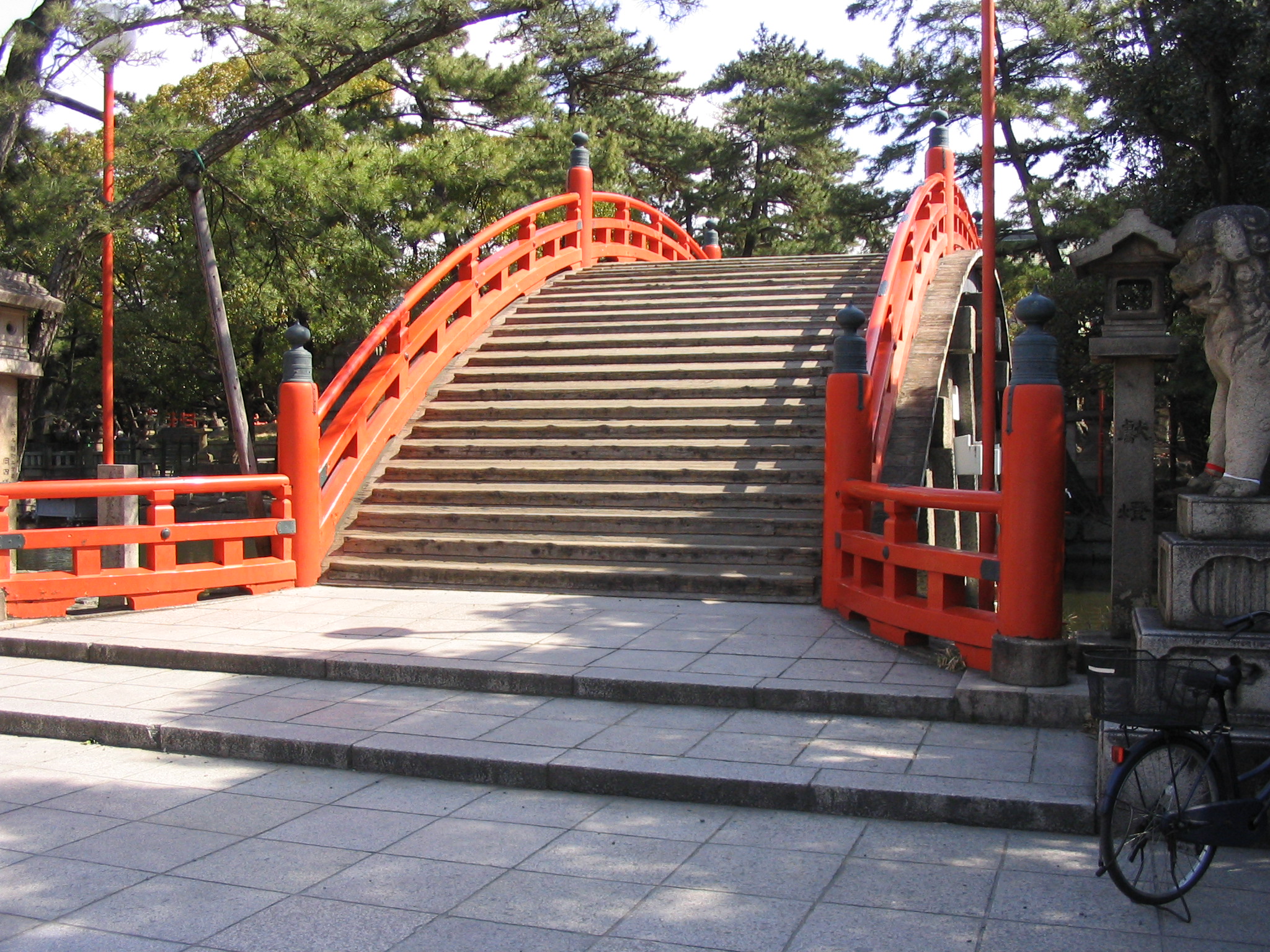
The appropriately, galactically famous Sorihashi Bridge, one of the most beautiful and quintessential of Japan’s taiko bashi or drum bridges. This is one of my most favorite shots of all time, it was done with my old bad camera, and has its flaws but I still dig it.

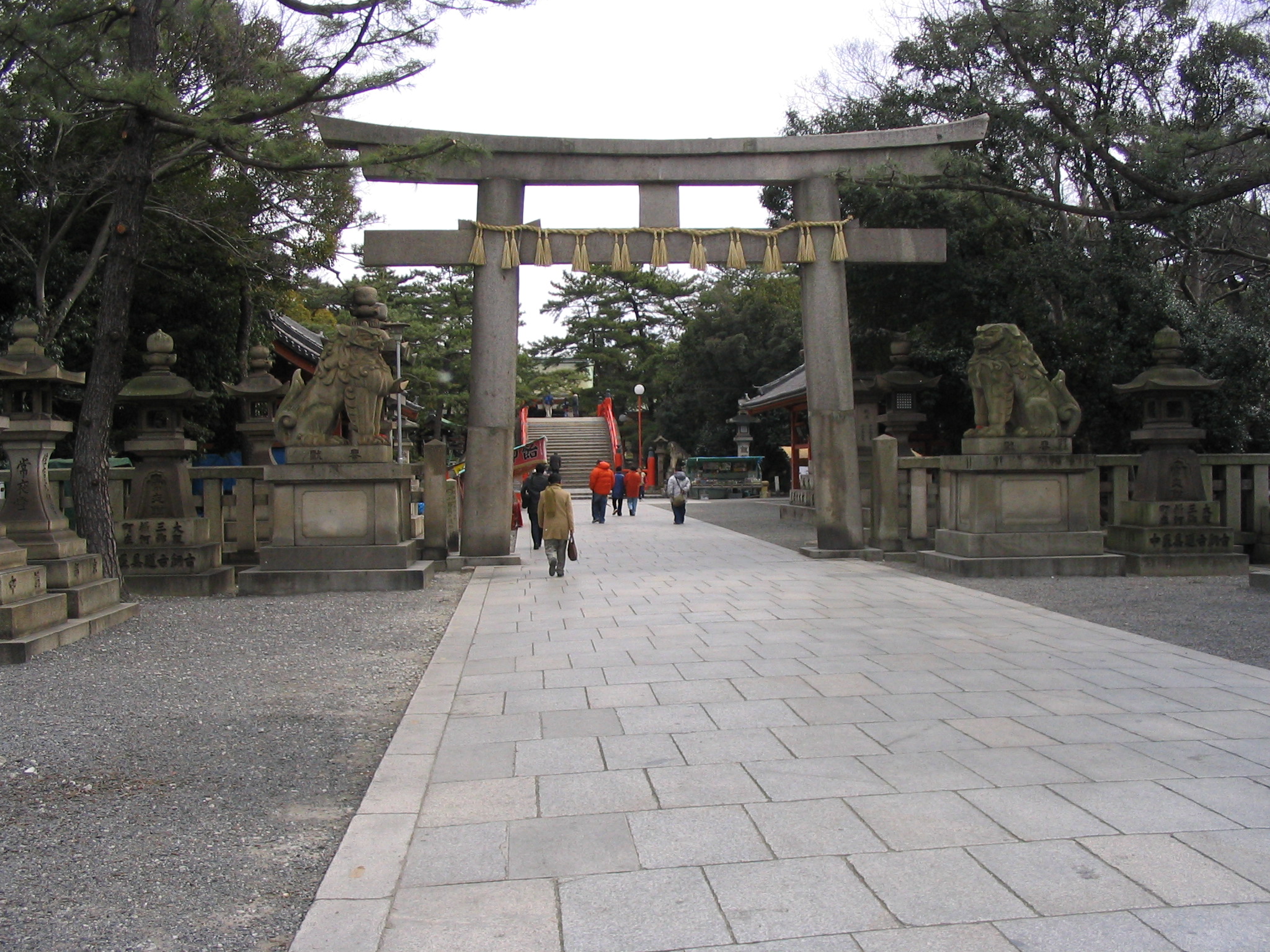
The shrine’s west entrance, looking from west to east, with the gate up front, and the bridge in the background.

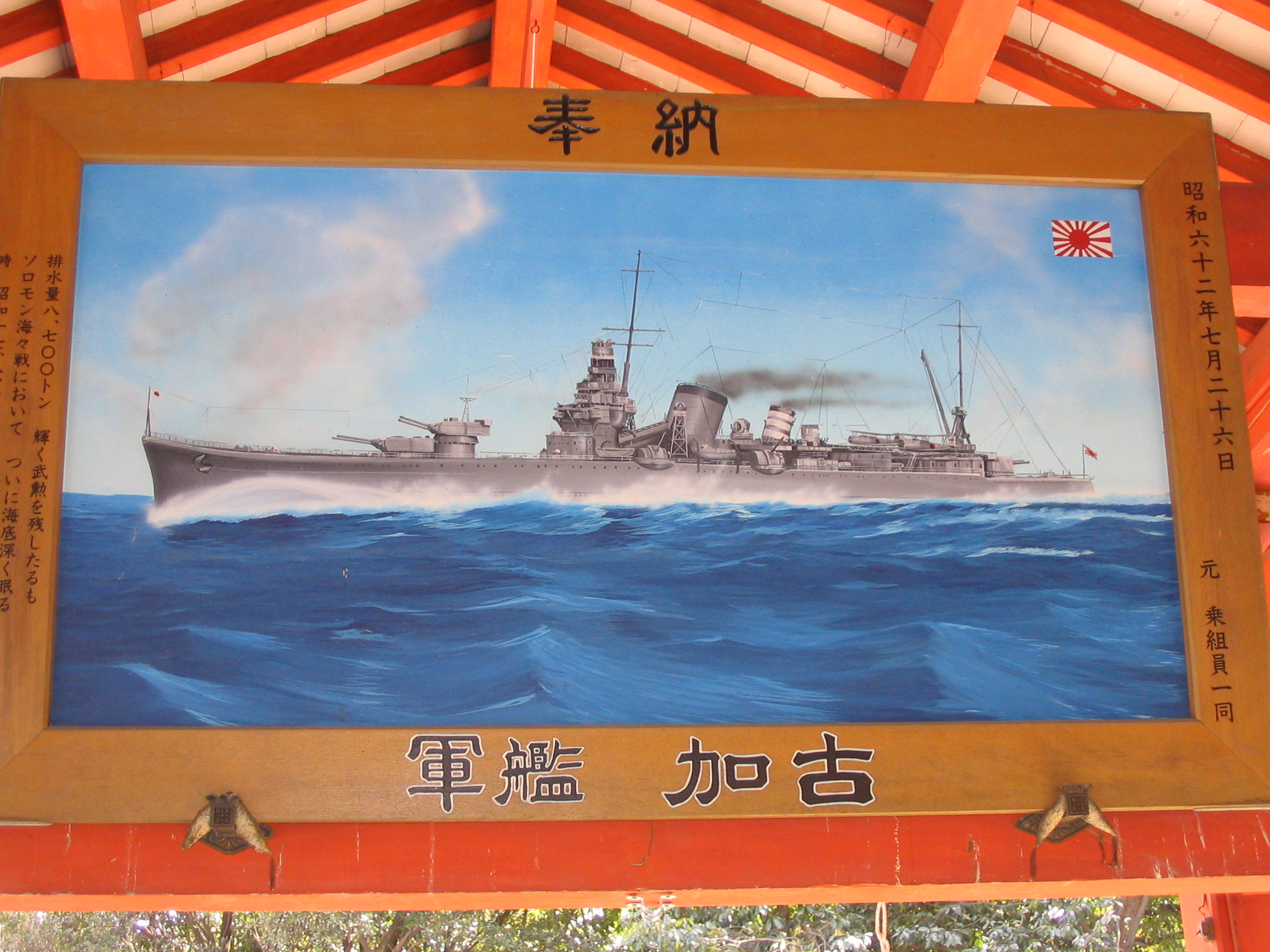
One of the rarest things I ever saw in Japan, a legit memorial for World War II. The shrine being dedicated to the sea, this of course makes sense. This was tucked away in a corner area and I kind of stumbled into it. I sadly don’t read Japanese in any form anymore, but this is a heavy cruiser. I don’t know the ship name or class, but the painting is an older version of the ship, I think, since the heavy cruiser has only two forward turrets instead of the later installed three.

The secondary temple.

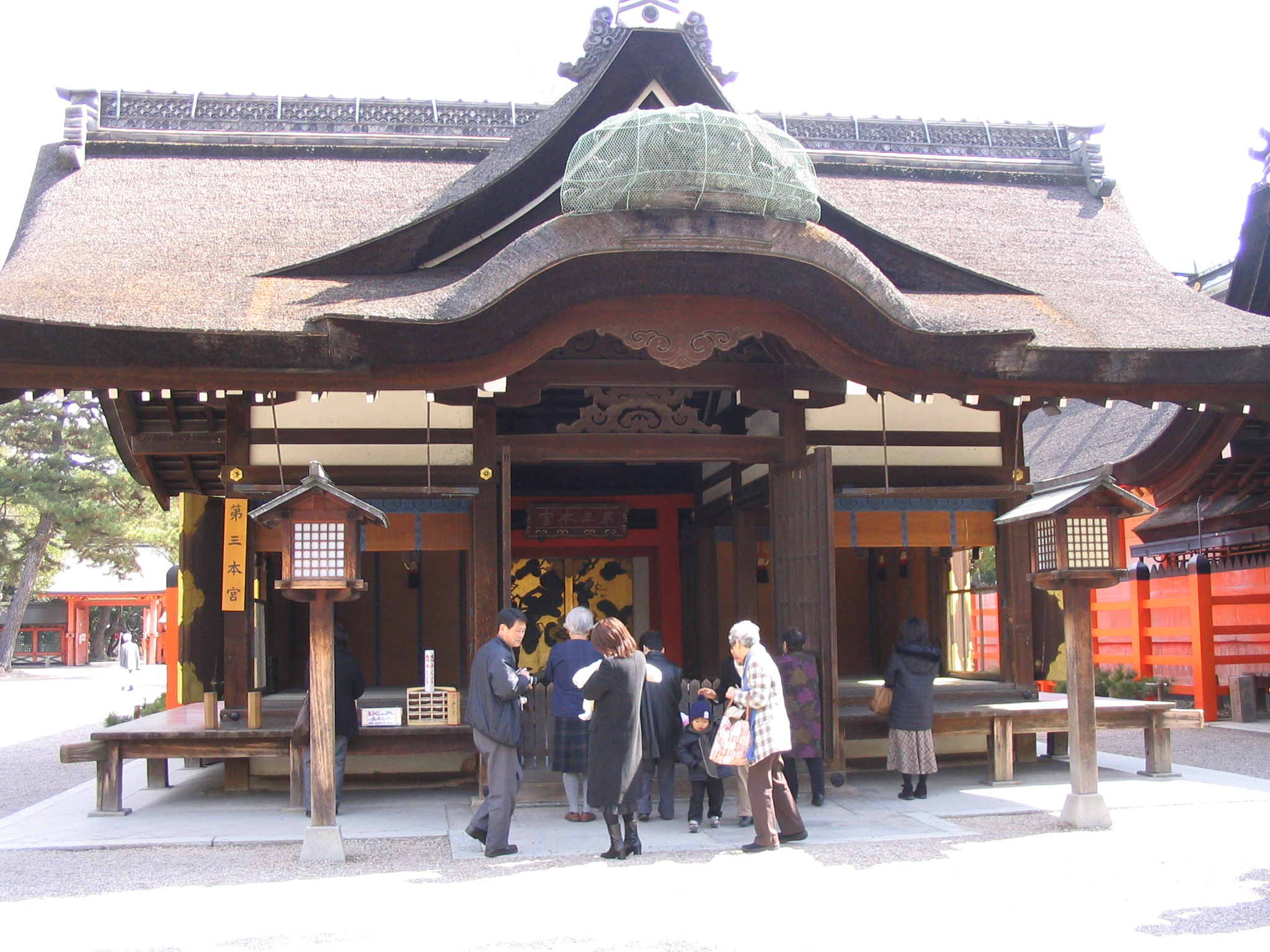
If I’ve got my bearings right, this is the north side of the trio of the three main sanctuary structures. I always love the candid shots I get of just ordinary people happening along their daily lives, unaware or uncaring that this weird dude is taking very serious (bad amateur) photography.

New Zealand, from the top rope!

I’m often so grateful that when I first began my travel adventures the smartphone didn’t exist. I had an old school flip phone where texting was a downright marvel. Social media was a term that didn’t exist. I had my own camera (originally a very crappy one) that I used to take my shots. Essentially most, but not every travel post I’ve ever done on this blog was travel I did without a flat screen smartphone.

I wonder what beginning your travel adventures nowadays does to a young man or woman who starts out their journey, probably has a smartphone, has various social media accounts, and doesn’t carry a separate camera. I shudder to think about it. But I think the answer is this, this is from a Twitter user named Lukas Stefanko in 2018, with the caption, “The social media queue”

This is in New Zealand, and this photo makes me want to burn every smartphone and social media account on the planet. [unintelligible snickering] Yes, yes, my Guests would like me to remind you that I am in fact a degenerate, crazy, loser, blog author.

Well, New Zealand is sick of it. New Zealand has a long history of being a tourist favorite, or over favorite. There have been talks in New Zealand for years to impose some kind of tourist fee, or restrictions on visitors in certain areas because they feel so buried by the mass of humanity. But this will never happen because so much of New Zealand’s economy is tied to tourism.

But they put out this video, from the top rope, and it’s professionally shot, funny, and has a super cool message:

I like how @0:50 he gets grabby with these two actors (who are portraying total losers). But it’d be great with me if he went further, and was whacking them with a truncheon like some 1880’s drunken bobby.

Messages like this delivered with humor are awesome, @1:28 where he takes a tumble I was totally cracking up.

Anyways, have a look at the video, heed its message. Indeed, some of the best travel experiences I ever had were where I deliberately made myself never take one photo, either with my good camera, or my smartphone if I had one.

Enjoy your day!

Ōsaka-jō – and why building expensive castles usually doesn’t work

So you want to build a castle. You’re a powerful man but you have a boss. And his castle is awesome. So you want to build one that’s even better than his. So your tower is taller, you throw some gold leaf on there, and you probably think you’ve done an awesome thing.

Problem is, your boss dies, and you’re left hanging with this big, huge, expensive castle while your enemy instead has a massive killing machine of a mobile field army. Oh, and sorry, fixed defenses are generally of only limited value during a long running military conflict. Just ask China how well the Great Wall was at keeping out those dastardly Mongols.

Ōsaka-jō was built from 1583-1597 by Toyotomi Hideyoshi who wanted to mirror the digs of his boss (at the time, everybody’s boss) in Oda Nobunaga. But then Oda died. And soon the son in Toyotomi Hideyori gets Ōsaka-jō.

Then one day in 1600 this ordinary, average, nondescript guy named Tokugawa Ieyasu wins arguably one of the devastating and decisive battles in military history at Sekigahara. Toyotomi loses badly, but it takes Tokugawa until 1615 to acquire enough balance of power to finally settle the score. Tokugawa’s army of several hundred thousand men overpowers Ōsaka-jō, burns it to the ground, Toyotomi dies by his own hand, and Japan’s history is essentially written for the next two hundred years.

Tokugawa rebuilds the castle, because of course. In the subsequent centuries it does what a lot of wooden buildings do throughout history, it burns repeatedly. Gets rebuilt. Then burns again. Then the castle is rebuilt with public contributions. Then during the Boshin War it’s taken and burned again. Then it’s rebuilt, but this time as an arsenal. And so the the Americans carpet bomb the place into oblivion in August 1945.

Only in the late 1990’s is the castle itself restored. But in typical Japanese fashion, it’s done in concrete and not wood. Every time, it still gives me a lack of understanding chuckle at the lack of authenticity and reverence the Japanese have for historical sites and buildings. Nothing quite like the calm, religious experience of a glorious temple, when you can buy hello kitty right inside the door from one of my merchant stalls.

This was a neat visit, it’s cool to look at and the ground themselves are beautiful more as a garden or a park. The tower is interesting, but it feels stale and not real. Probably because it’s concrete and not real. It’s not one of my favorite Japan locations, by far, but it’s worth a short trip if you’re in town.

And also, if you have a Bond style villain demi-god level of power in your future somewhere, don’t build a castle or a god-like evil lair. Building expensive castles usually doesn’t work, see Ōsaka-jō. Or Bond will blow up your lair. Focus on mobile field armies or goons instead.

early spring, and welcome

After a mild winter, spring’s coming way early.  This is welcome, though not 100% proven this stupid coronavirus likely spreads less effectively in the higher temperatures just like the flu does.  Let’s hope for a super warm spring.

B406503E-4FD0-4E3C-BAA0-AEE35F9C6AA2

we dual beer carriers

We all met on a mist covered field at dawn just after a full moon.  Each participant could pick the melee weapon of their choice.  A duck (Earl) officiated the process and had right of refusal for all rules as Earl saw fit.

Standing at one end of the field of honor was E. Scott Santi, Chairman & Chief Executive Officer for ITW.  At the other end was Nancy Baker, International Sales Manager for PakTech.

Santi chose the katana.  Baker chose the gas powered chainsaw.  Earl quacked loudly, and dropped the handkerchief to begin the bout.  Who emerged victorious from this most glorious of contests?  First, some history.

In the 1950’s one of ITW’s inventors came up with the idea of the classic plastic can holder that we all grew up with.  This used a minimal amount of plastic, performed its function well, and generally was left alone for decades.  However, nobody recycled anything back then.  So by the 1980’s and certainly the 1990’s this creation was popping up everywhere.  As the environmental movement gained steam, we’ll all remember hearing and seeing how many ducks were slain by this product.  But the product worked, and so the solution offered to humanity was not to ban the plastic holder, but to cut it up prior to throwing it away so wildlife couldn’t be snared within its death jaws.

However, in the early 1990’s (in PakTech’s case 1991) smart people saw this situation as a business opportunity.  Thus was born the solid molded form plastic can holder that you see far more often today.  This is what PakTech makes.  Its (usually black) plastic holders carry the canned beer from just about any craft beer company on the planet that doesn’t put their cans inside a paper box.  PakTech even goes through the trouble on their website to explain how their holders are not just better than the old ITW version, but also more environmentally friendly than the paper six pack box.

The examples I used in this most intense study (where I consulted three MIT engineers, a pair of preeminent environmental activists, a blue whale named Betty, and the Ethiopian immigrant who sells me most of my beer) I had an ITW can holder that held old style classic and tasty Yuengling.  This makes sense, Yuengling is older than anybody else, and isn’t looking to be flashy.  The PakTech version held a six from one of my local craft breweries who has every interest in their branding to appear more environmentally supportive than your average elder brewery.

103CE83D-FB9A-413A-9308-109A7504BAC2

But wait, hold on here.  We at TAP love to question assumptions.  Just how lethal are ITW’s original plastic holders to the planet’s poor creatures?  National Geographic does a pretty good summary.

The original numbers of the dead was supposed to number six figures each year but nobody seems to know where that number came from, as in, it was made up.  Since 1994 the EPA mandated that the ITW style holder be biodegradable.  This means it’ll biodegrade in about 700 years.  It also means it’s worthless in terms of plastic recycling ability, and it still ends up with plastic particles in the ecosystem.  The article also lists some very wacky replacement solutions to the ITW design which sound stupid and make one admire the sound business acumen of PakTech who built a realistic and useable design.

But let’s go ahead and take the article at face value.  And then multiply it ten times.  Thus we estimate that in a given year the ITW design viciously strangles one million ducks per year.  Compare this to the over ten million ducks that are shot by hunters every year.  You do the math, and determine just where the threat to wildlife really is.  I’m not against hunting, but if you’re an environmental type, where is your time better spent, beer can holders or shotgun rounds?

Our belligerent conclusions:

– It’s pretty obvious that the ITW design uses way less plastic up front, we’ll say only 5% as a rough estimate.  [katana slash across the cheek by Mr Santi]

– But the ITW design can’t really be recycled and requires the user to cut it up prior to throwing it away.  [Ms Baker powers up chainsaw]

– The PakTech design uses way, way more plastic up front and requires confidence in the user (and their local jurisdiction) to recycle it properly, otherwise it’s just a huge piece of landfill that’ll take 7,770 years to biodegrade.  [katana pierce into the belly by Mr Santi]

– But the PakTech design is completely recyclable and does not require the user to cut it up, it can be just tossed into the bin alongside the cans that held your tasty, tasty beer.  [chainsaw rips through shoulder of Mr Santi]

– Earl quacks: “Who gives a fuck?”  [Mr Santi lowers katana; Ms Baker powers down chainsaw; both are panting, exhausted, and covered in blood]

There are positives and negatives to both these products.  Both perform their function well.  Both have attributes that are meant to aid the environment.  But the key fact is, in order to complete their purpose to the end stage, it’s the end user that must complete the process.  As in, you.  If you use ITW, and you don’t cut it up at the end, you have failed.  If you use PakTech and don’t recycle properly, you have failed.

This is just fine by me.  Because instead of shouting online or protesting or whatever, it just comes down to sound, simple actions by individual humans.  Each individual can make a difference just by doing their job.  Buy ITW, or PakTech, or a paper six pack box, whatever, just do your job at the end and the cycle works.

Just try to avoid buying beer in bottles though.  Why?  Ah, more on that later.

[Earl quacks loudly]  [Earl draws firearm, a Colt 1911; proceeds to rob two injured big shot corporate suits at gunpoint; flies away]  [Earl is spotted at The Hen Pub & Grille later getting blitzed with a swan, a goose, and a komodo dragon]

we briefly & shamelessly join the hater crowd: Ban Receipts! And Other Wise Ideas

There’s lots of problems in life: the train line broke down this morning, our planet’s attempts to harness fusion power have failed, we can’t use genetic engineering to make elves and dwarves real (and then pit them against each other in cage matches), and so on.

Plastic straws are a problem, according to some. We don’t agree.

But whatever. Hey you want to make the planet better? Ban paper receipts. Just look at this monstrosity the store printed out for me this morning:

receipt.jpeg

Damn thing is longer than a broadsword or [insert human, animal, or alien sexual reference of your choice here]. I only bought two items. The rest of this receipt is just garbage and offers that nobody reads. When you think about the hundreds-of-millions of transactions each day in America, that’s a lot of dead trees.

Receipts can be replaced by e-mails, or at least made available ONLY at the direct request of the purchaser. Or go super green, receipts will only be beamed information into one’s head as an abstract existential reality construct where the customer is constantly like, “Did I really buy that? Hmm. Well, did, did I, … hmm.”

Join our cause! Ban Receipts! Post on all social media. Personally and professionally demonize those who support paper receipts. Insult their intelligence, threaten their children’s lives, get their addresses! Hurry now, before paper receipts burn down the planet!

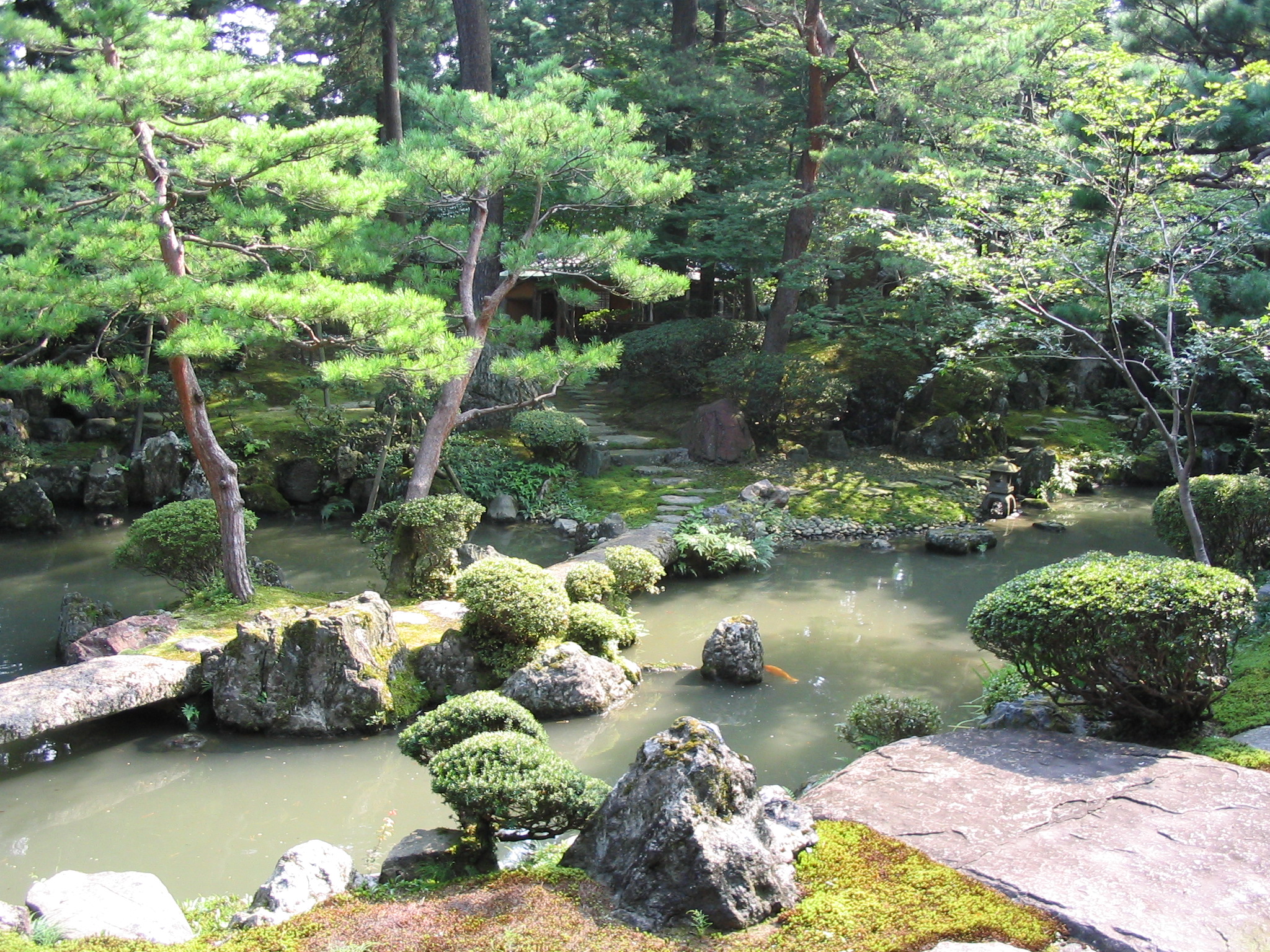
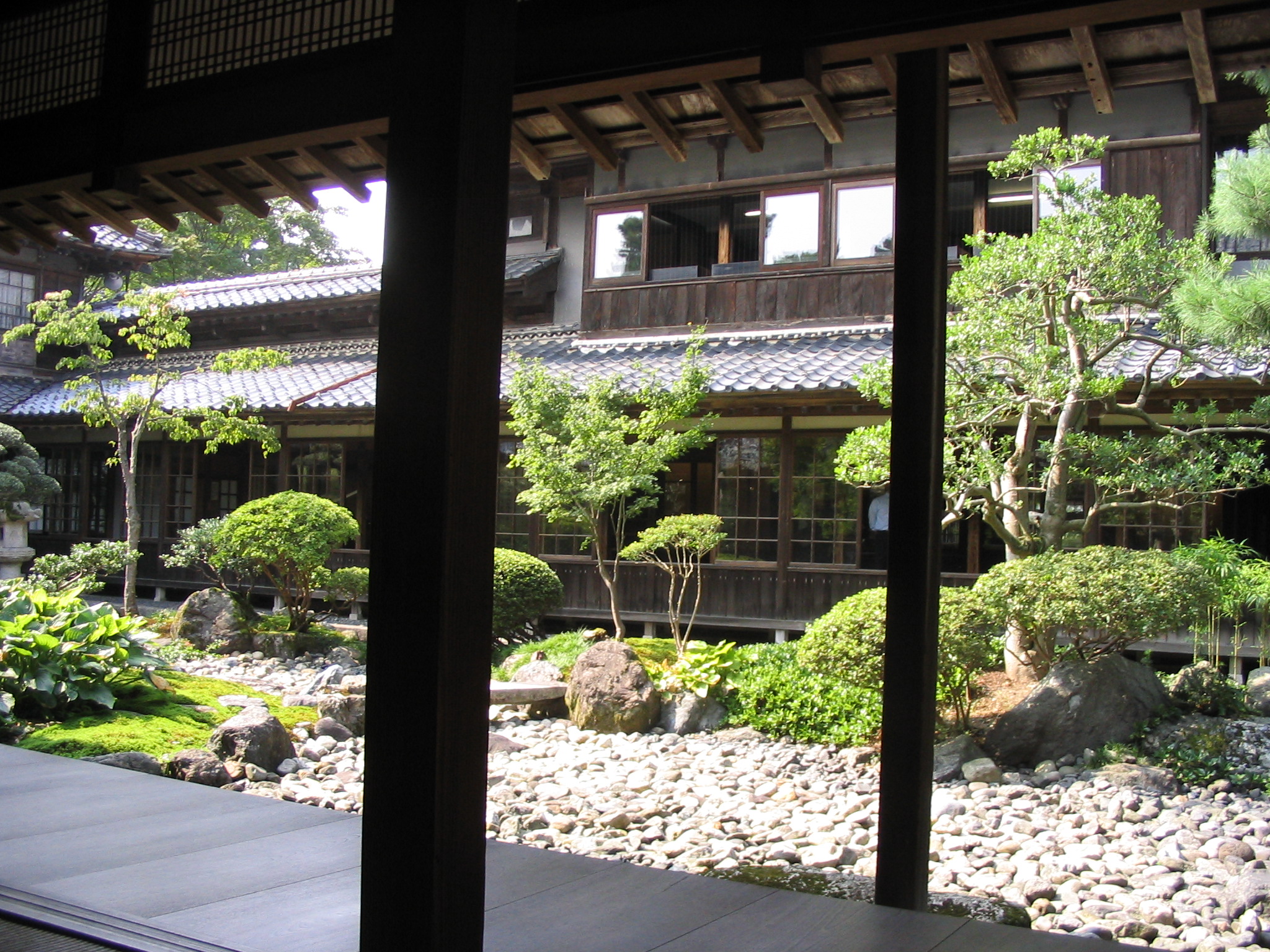
Japan – Niigata: when my camera was terrible

Today’s smartphone cameras have become so capable it’s hard to remember that carrying a camera was once a conscious choice. Once upon a time I had a camera in my pocket that was five times the size of a smartphone and it was complete garbage. Times have changed, have you noticed?

Garden.jpg

On this blog, we are very, very slowly making our way through my past travels. Lots of Japan to go. Wanted to do a complete, worthwhile post on Niigata, but can’t. Nearly every one of my shots from that trip are absolute, grainy, garbage.

Most of that was me. I’m not the expert photographer I am now (cue laugh track including laughing by drunken hyenas). But also, at the time my camera was pathetic. I don’t even have it anymore, or remember what it was.

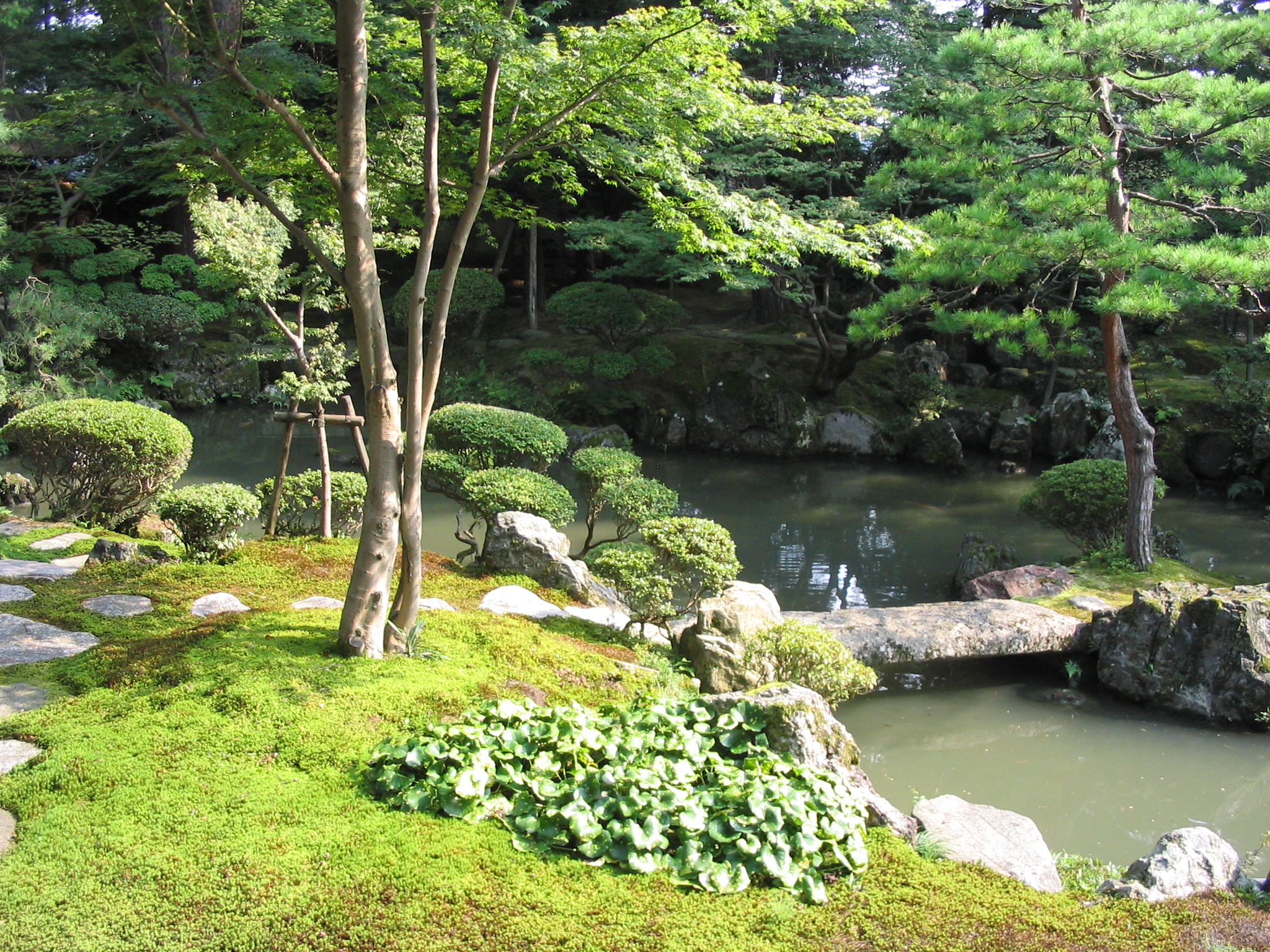
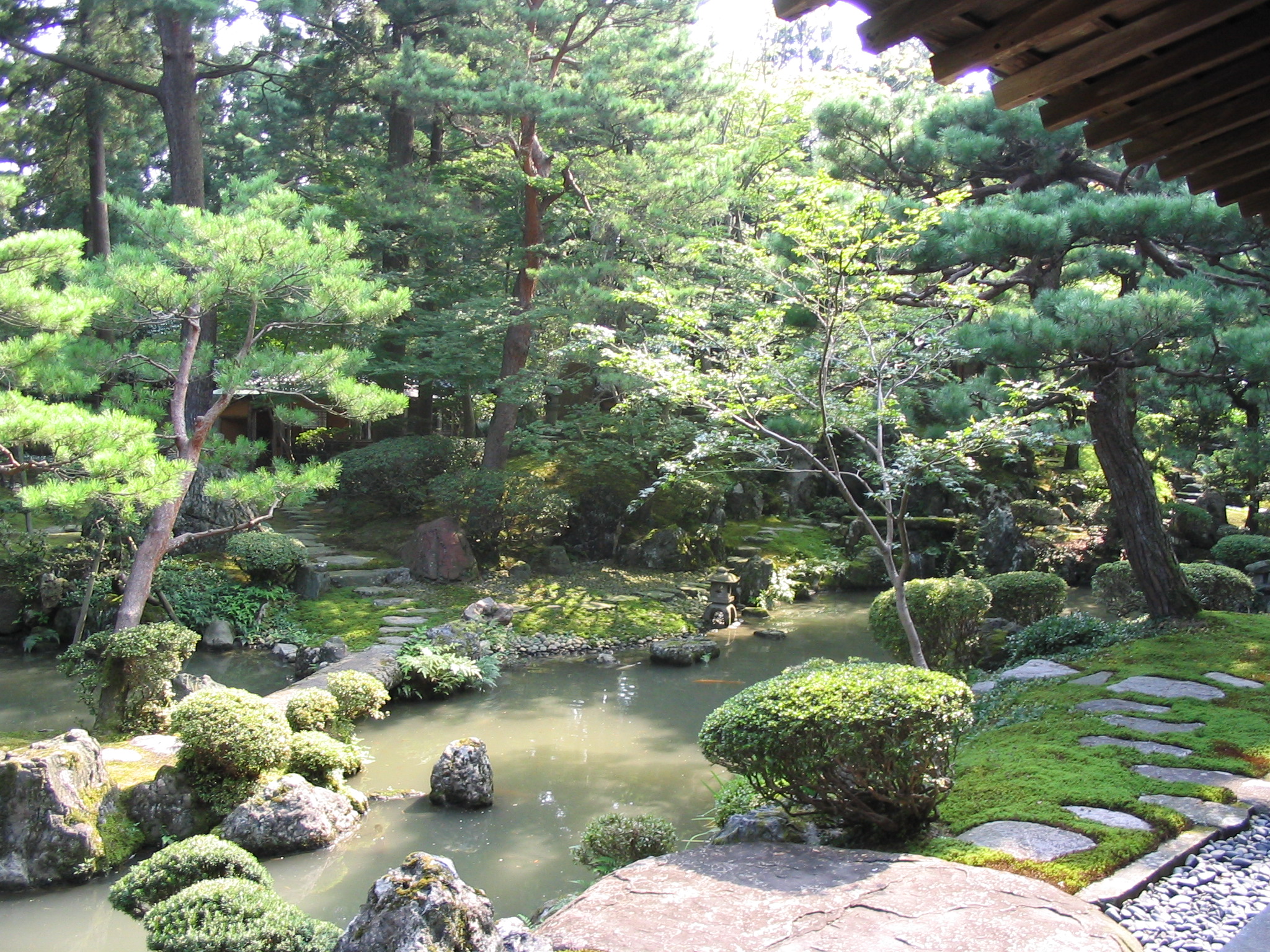
Here are the only shots worth posting. Enjoy. Who gardens better than the Japanese? Not me. Not you.

Uh, Niigata’s great. Go.

Courtyard.jpg


Garden1.jpg


Garden2.jpg

the leaves have begun their mystical journey

I’m taking care of me Ma’s dog and I forgot how frantic and disorganized a multi-dog walk can be.  She wants to go one way, he another, and before I know it my plastic poo bags are out of my pocket and halfway across the courtyard.

I got them back later but in the meantime (of course) one of them was ready to go.  Seeing as how I was right near a trash can I tried to use a large fallen leaf as a plastic bag substitute.  Don’t ever try this.

Anyways, the leaves have begun their mystical journey.  All the colors, all the fun of Fall, which is by far my favorite season for a variety of reasons.  Soon, nothing but bare branches.

DSC00966.JPG

Need to get out of this cubicle and on a hike.

DSC00971.JPG

I don’t get it

Plastic straws will soon be banned everywhere, just like how putting chloroform in your coffee was banished to oblivion. But then I see this thing at a place that sold me food and drink for a nominal fee and it broke my brain:

20190618_125806.jpg

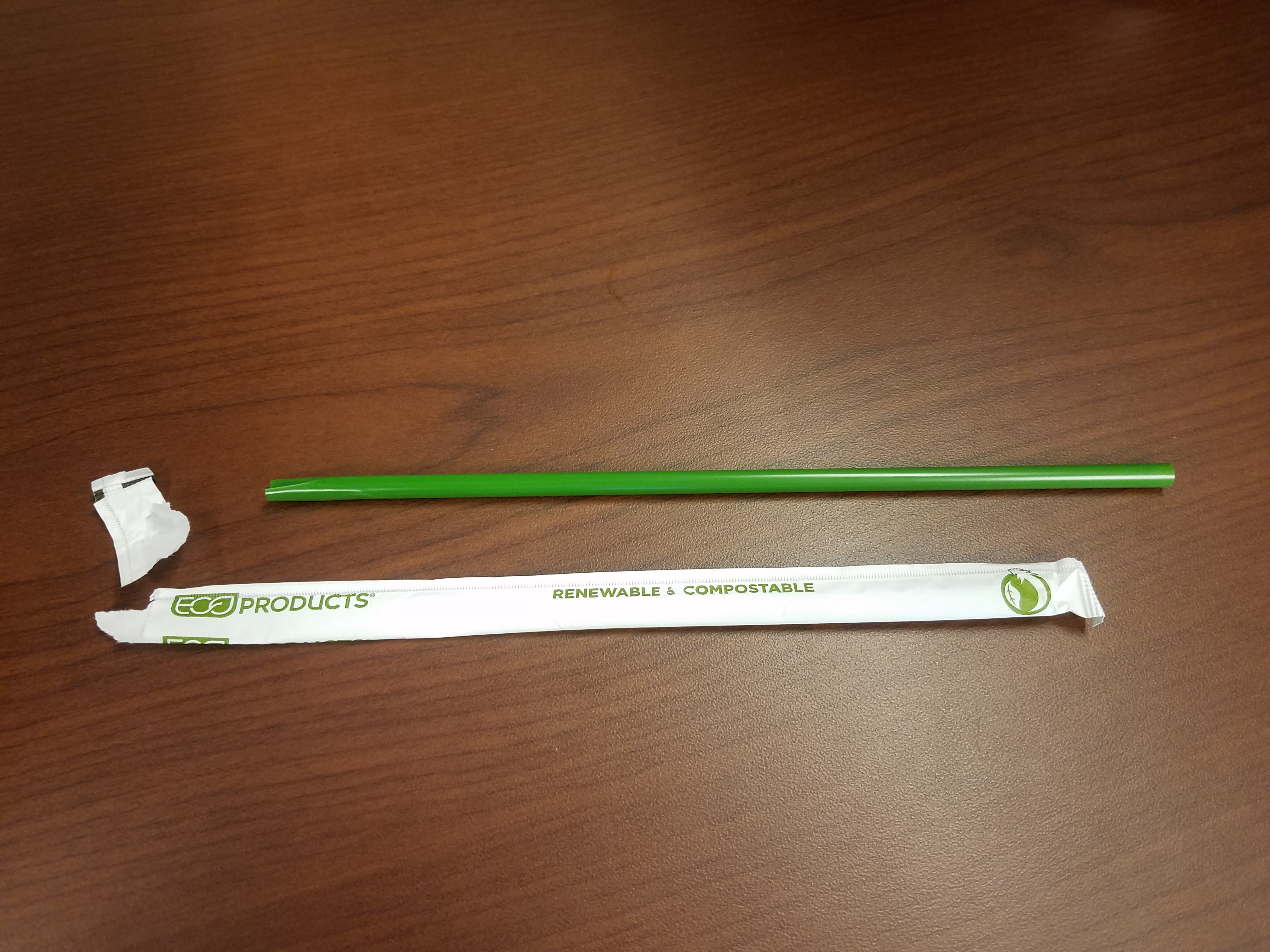
What the heck is this thing? It looks and feels like a plastic straw. But apparently it’s not. It’s made out of plants or something. So this thing will be legal, but the plastic straw will not.

I’m so confused, what precisely is the haters’ issue with the plastic straw? I thought it’s that it was plastic, and too small to be recyclable. So they want it banned.

But how is this plant based straw any better?

1) Uses plant material likely better used to feed humans or make compost or animal feed

2) Still takes up the same volume of space in the landfill/trash cycle as a plastic straw

3) Although the product claims ‘renewable and compostable’ what this really means in practice is it will compost in a landfill over 734 years instead of the 3,382 years that a plastic straw would take

4) Makes the ill-informed feel better about themselves when they actually should not

5) Illustrates the absurdity of feeling good instead of actually doing good

6) Is a hallmark of the future downfall of all Humanity as we struggle and bicker over foolish things while our culture, planet, and politics descend into the gutter

By the way, I’ve never used straws. I don’t get them. Just drink out of the glass/cup/whatever.

Please, help me.